

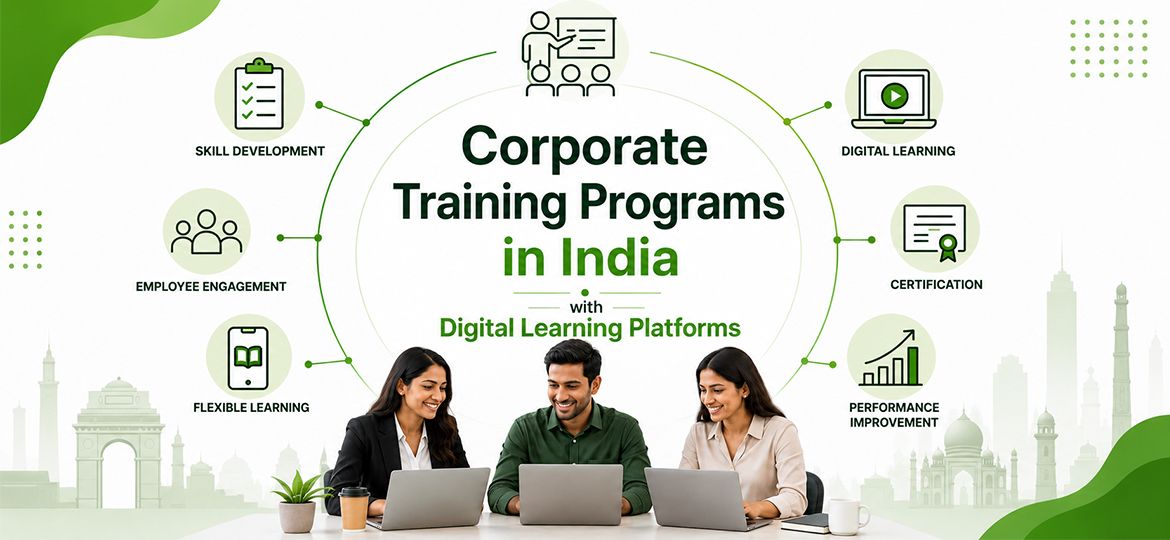
In today’s rapidly evolving business landscape, Corporate training programs in India are no longer optional-they’re essential. Companies are realizing that upskilling their workforce isn’t just about staying competitive, it’s about surviving in a digital-first world. At GrowthSource, we’ve seen firsthand how organizations are shifting from traditional classroom methods to more agile, scalable digital learning platforms that actually drive results.
Let’s break this down in a way that makes sense – not just from a corporate perspective, but from a real-world, practical lens.
Why Corporate Training in India Is Rapidly Evolving
A few years ago, corporate training was mostly limited to workshops, classroom seminars, and long PowerPoint presentations inside conference rooms. While those methods worked for a time, today’s fast-moving business environment demands something far more flexible, engaging, and scalable.
India’s workforce is young, digitally connected, and constantly adapting to new technologies and industry trends. From IT and manufacturing to healthcare, retail, and service sectors, businesses are evolving at an incredible pace. As a result, companies need learning systems that can keep employees updated just as quickly.
This is where corporate training and development powered by digital learning platforms is making a major impact. Instead of relying on one-time training sessions, organizations are now building a culture of continuous learning. Employees are encouraged to regularly upgrade their skills, explore new tools, and stay aligned with changing industry demands.
Modern digital training platforms also make learning more personalized and accessible. Whether it’s microlearning modules, live virtual sessions, AI-driven learning paths, or mobile-based courses, employees can now learn anytime and from anywhere. This shift is helping businesses improve productivity, boost employee engagement, and create teams that are better prepared for the future.
The Rise of Digital Learning Platforms
Digital learning platforms have completely transformed the way businesses approach employee learning and skill-building. Think of them as Netflix—but for professional growth. Instead of sitting through long classroom sessions, employees now have access to engaging, flexible, and on-demand learning experiences that fit naturally into their daily routines.
This shift is playing a major role in modern corporate training and development, helping organizations create smarter, faster, and more adaptive workforces.
Here’s what makes these platforms so powerful:
1. Flexibility That Actually Works
One of the biggest reasons companies are embracing digital learning is flexibility. Employees no longer need to block an entire day for training sessions or travel to different locations. They can learn anytime and anywhere-during a commute, over a coffee break, or even after work hours.
This makes learning feel less like an obligation and more like a natural part of everyday work life. For businesses investing in Corporate training programs in India, this flexibility helps improve participation and keeps employees consistently engaged without disrupting productivity.
2. Personalized Learning Paths
Every employee has different strengths, goals, and responsibilities. A sales executive doesn’t need the same training as a software developer, and a team leader may require different skills compared to a new hire.
Digital platforms solve this beautifully by offering personalized learning journeys. Employees can access courses tailored to their role, experience level, and career goals. This makes learning more relevant, practical, and easier to apply in real-world situations.
It’s one of the reasons why modern corporate training and development strategies are becoming far more effective than traditional one-size-fits-all training models.

Key Components of Modern Corporate Training Programs
When businesses talk about modern learning strategies today, they’re no longer referring to traditional classroom sessions alone. Modern Corporate training programs in India are becoming smarter, more interactive, and far more employee-focused-especially with the integration of digital learning platforms, and that’s what GrowthSource helps in.
The goal is no longer just “conducting training.” The focus has shifted toward creating meaningful learning experiences that improve performance, productivity, and long-term employee growth.
Here are some of the key components that make modern corporate training and development programs truly effective:
1. Skill-Based Learning Modules
Modern training programs are heavily focused on practical skills rather than generic theory. Companies now design learning modules around specific business needs-whether it’s leadership, communication, sales, cybersecurity, coding, project management, or customer service.
This targeted approach helps employees immediately apply what they learn in real-world situations. For example, a manufacturing company may focus on safety compliance and machine operations, while an IT company may prioritize cloud computing or AI-related skills.
The biggest advantage? Employees feel the training is actually relevant to their daily work, which naturally improves engagement and retention.
2. Microlearning Content
Let’s be honest-most employees don’t want to sit through a two-hour lecture after a busy workday. That’s why microlearning has become one of the most powerful trends in corporate training and development.
Microlearning delivers short, focused lessons that are easy to consume in just a few minutes. These could include:
- Quick explainer videos
- Interactive slides
- 5-minute quizzes
- Bite-sized tutorials
- Short case studies
This format works especially well because people tend to retain information better when it’s delivered in smaller chunks. It also fits naturally into busy work schedules, making learning feel less overwhelming and more approachable.
3. Interactive Learning Elements
Modern employees expect engagement—not passive learning.
That’s why digital platforms now include interactive features like quizzes, simulations, gamified exercises, discussion forums, and real-world business scenarios. Instead of simply reading information, employees actively participate in the learning process.
For example:
- Sales teams can practice customer conversations through simulations
- HR teams can learn through workplace scenario-based activities
- Technical employees can test their skills using live problem-solving exercises
These interactive experiences make training more practical, memorable, and enjoyable. Companies using interactive learning often notice higher completion rates and better employee participation.
4. Certification & Skill Assessments
Employees today value learning that contributes to their professional growth. Certifications and assessments give them a clear sense of achievement and progression.
Most modern Corporate training programs in India now include:
- Skill evaluations
- Progress tracking
- Digital certifications
- Performance-based assessments
These certifications not only motivate employees but also help organizations identify high-performing individuals and future leaders within the company.
For businesses, assessments provide measurable insights into how effective the training actually is. Instead of assuming employees have learned something, companies can now validate skills through structured evaluation systems.
Industries Leading the Shift
While digital learning is growing across almost every sector, some industries are clearly leading the transformation faster than others. These industries understand that employee skills need constant upgrading to match changing technologies, customer expectations, and business demands.
As a result, modern Corporate training programs in India are becoming more industry-specific, practical, and digitally driven than ever before.
Let’s look at the sectors that are setting the pace for the future of workplace learning.
1. IT & Technology Companies
The IT sector has been one of the earliest and strongest adopters of digital learning platforms. And honestly, it makes sense – technology changes almost every day.
New programming languages, cybersecurity threats, cloud systems, AI tools, and software frameworks emerge constantly. Companies simply can’t afford to let their teams fall behind.
That’s why most tech companies invest heavily in corporate training and development programs that focus on:
- Coding and software development
- Cybersecurity awareness
- Artificial Intelligence and Machine Learning
- Cloud computing platforms
- Data analytics and automation
What makes digital learning especially effective in IT is speed. Employees can instantly access updated courses whenever technologies evolve, helping businesses stay competitive in a fast-moving market.
Even global IT giants now encourage continuous learning cultures where employees regularly upskill throughout the year instead of relying on occasional training sessions.
2. Manufacturing Sector
The manufacturing industry in India is also experiencing a major digital learning transformation, especially in industrial hubs like Delhi NCR, Pune, Ahmedabad, and Chennai.
Traditionally, manufacturing training was conducted physically on factory floors. But now, companies are combining practical learning with digital systems to improve efficiency and safety.
Modern Corporate training programs in India within manufacturing often focus on:
- Machine operations
- Workplace safety compliance
- Process optimization
- Quality control standards
- Equipment maintenance
- Industrial automation systems
Digital platforms are particularly useful because they allow workers to learn through videos, simulations, and step-by-step demonstrations before applying skills practically.
This not only reduces training costs but also minimizes workplace errors and safety risks.
Many companies are also using mobile-based learning modules so workers can quickly access training material directly from the production floor when needed.
Benefits That Actually Matter to Businesses
Let’s be practical for a moment-companies don’t invest in employee learning just because it sounds good on paper. Businesses invest in training because they expect measurable improvements in performance, productivity, and growth.
And honestly, that’s exactly why digital learning platforms are becoming such a major part of modern Corporate training programs in India.
Unlike traditional training methods that often felt time-consuming and difficult to measure, digital learning brings clear business advantages that organizations can actually see and track over time.
Here’s how modern corporate training and development is creating real impact for businesses across industries.
1. Improved Employee Productivity
This is probably the most obvious benefit—but also the most important.
When employees receive proper training, they work more confidently, make fewer mistakes, and complete tasks more efficiently. Whether it’s technical skills, communication, customer handling, or leadership development, better-trained employees naturally perform better.
Digital learning platforms make this even more effective because employees can continuously upgrade their skills instead of waiting for occasional workshops.
For example:
- Sales teams can improve closing techniques
- Customer support teams can handle queries more efficiently
- Technical employees can stay updated with new tools and systems
Over time, these small improvements create a massive impact on overall business productivity.
2. Higher Employee Retention Rates
Employees today don’t just look for salaries-they look for growth opportunities.
One of the biggest reasons employees leave organizations is the feeling of being “stuck” with no learning or career development. Companies that invest in corporate training and development often create a stronger sense of employee engagement and loyalty.
When employees see that a company is helping them grow professionally, they are more likely to stay long-term.
Digital learning platforms also make growth more visible. Employees can track their progress, complete certifications, and build new skills regularly, which increases motivation and job satisfaction.
In simple terms, learning opportunities make employees feel valued—and valued employees tend to stay.
3. Faster Onboarding for New Employees
Hiring new employees is expensive and time-consuming. But training them efficiently? That’s where digital learning makes a huge difference.
Modern Corporate training programs in India now use structured onboarding systems that help new hires quickly understand:
- Company processes
- Workplace policies
- Job responsibilities
- Tools and software
- Communication standards
Instead of depending entirely on managers or HR teams for repetitive onboarding sessions, companies can automate large parts of the learning process through digital platforms.
Challenges Companies Face (And How to Solve Them)
While digital learning platforms are transforming the future of employee education, the transition isn’t always smooth. Many businesses face real challenges when implementing modern Corporate training programs in India, especially when shifting from traditional learning methods to digital systems.
The good news? Most of these challenges are completely manageable with the right strategy, tools, and mindset.
Let’s look at some of the most common issues companies face in corporate training and development and more importantly, how they can solve them effectively.
Challenge 1: Low Employee Engagement
One of the biggest problems companies face is simple—employees lose interest quickly if training feels boring or repetitive.
Let’s be honest, nobody enjoys sitting through long slides filled with text or outdated presentations. If learning content feels forced, employees are likely to skip sessions, multitask, or simply retain very little information.
This is especially common in organizations still using old-style training methods without interaction or personalization.
Solution: Make Learning Interactive and Engaging
Modern digital platforms solve this by making learning more dynamic and enjoyable.
Companies are now using:
- Gamified learning experiences
- Interactive quizzes
- Scenario-based activities
- Short video modules
- Rewards and achievement badges
- Live discussions and collaborative tasks
These features keep employees actively involved instead of passively consuming information.
When learning becomes engaging, employees participate more, complete courses faster, and retain knowledge better. This is why interactive learning has become a major part of successful corporate training and development strategies.
Challenge 2: Resistance to Change
Not every employee is comfortable with digital learning immediately.
Some employees—especially those used to traditional classroom training—may feel hesitant about online platforms or self-paced learning systems. They may worry about technology, learning independently, or adapting to new formats.
This resistance is completely normal during digital transformation.
Solution: Use a Hybrid Learning Approach
Instead of replacing traditional learning entirely, many businesses now combine digital platforms with human interaction.
This hybrid approach may include:
- Live virtual sessions with trainers
- Team discussions and workshops
- Mentorship programs
- Practical demonstrations alongside digital modules
By blending technology with personal interaction, employees feel more supported during the transition.
For businesses implementing Corporate training programs in India, hybrid learning often creates smoother adoption and better employee confidence.
Trends Shaping the Future of Corporate Training in India
The future of workplace learning is evolving faster than ever. Businesses are no longer relying only on traditional training methods or static online courses. Instead, they’re adopting smarter, more personalized, and technology-driven learning experiences that align with modern workforce expectations.
As industries continue to digitize, Corporate training programs are also becoming more innovative, flexible, and data-focused.
Let’s explore the biggest trends shaping the future of corporate training and development in India.
1. AI-Driven Learning
Artificial Intelligence is rapidly transforming the way employees learn and develop skills.
Modern learning platforms can now analyze employee behavior, performance, learning speed, strengths, and skill gaps to create personalized learning experiences automatically.
Instead of assigning the same training to everyone, AI-powered systems can recommend courses based on:
- Job roles
- Performance levels
- Career goals
- Learning history
- Skill improvement needs
For example:
- A sales employee may receive advanced negotiation training
- A manager may be recommended leadership development modules
- A technical employee may get AI or cloud-based certifications suggested automatically
This personalized approach makes learning more relevant, engaging, and effective.
AI is also helping businesses save time by automating assessments, tracking progress, and identifying areas where employees may need additional support.
As AI technology continues growing, it’s expected to become a core part of future-ready corporate training and development strategies.
2. Virtual Reality (VR) Training
Virtual Reality is making corporate training and development more immersive and practical. Instead of just watching videos or reading instructions, employees can practice real-world scenarios in virtual environments.
This is especially useful in industries like manufacturing, healthcare, aviation, construction, and industrial safety training.
For example, factory workers can safely learn machine operations through simulations, while healthcare professionals can practice procedures virtually without real-world risks.
VR training helps improve practical understanding, reduce workplace errors, and create safer learning experiences for employees.
Conclusion
The shift toward digital learning is no longer just a passing trend—it’s a complete transformation in the way businesses grow and develop their workforce. Modern Corporate training programs in India are becoming smarter, faster, more personalized, and far more impactful with the help of digital learning platforms and evolving technologies.
Today’s employees want flexibility, continuous growth, and learning experiences that actually help them perform better in real-world situations. At the same time, businesses need teams that can adapt quickly, stay productive, and keep up with changing industry demands. Digital learning is helping bridge that gap in a powerful way.
At GrowthSource, we believe continuous learning is one of the smartest investments any organization can make. Because at the end of the day, business growth doesn’t happen automatically-it happens when your people grow, improve, and evolve along with your company.
FAQs
1. Why are Corporate training programs in India shifting to digital learning?
Digital learning offers flexibility, faster skill development, and easier access to training anytime and anywhere.
2. What is the main benefit of corporate training and development?
It improves employee productivity, engagement, and overall business performance.
3. Which industries use digital corporate training the most?
IT, manufacturing, healthcare, BFSI, and startups are leading digital learning adoption.
4. Why is mobile learning important?
It allows employees to learn conveniently through smartphones during travel, breaks, or remote work.
5. What should businesses look for in a training platform?
An easy-to-use platform with customization, analytics, mobile access, and quality learning content.
